
Factory-Controlled Quality Checks to Reduce Overseas Sourcing Risk
Before shipment, we cross-check part numbers against the supplied machine model and serial details, inspect physical condition and critical interfaces, verify quantities twice during picking and packing, and review moisture-resistant, impact-protective export packing for sea freight. Potential errors are intercepted at origin—helping reduce wrong-part deliveries, shortages, transit damage and costly losses after arrival.
Reducing Wrong-Part and Shipping-Damage Risks
Excavator parts that look similar may differ by part number, machine serial range, connector, mounting position or key dimension. Our checks focus on the information that matters before quotation and dispatch.
- Review part number, product name, machine model and requested quantity.
- Compare photos, labels, connectors, mounting holes and dimensions where required.
- Confirm visible condition, package quantity and customer-specific order notes.
- Check protective packing and shipping identification before release.
Six Inspection Steps Before Every Shipment
From part identification to final dispatch approval, each step is documented to reduce wrong-part, quantity and shipping-damage risks for overseas buyers.
Order Data Review
We review the part number, machine model, serial number, quantity and reference photos to identify missing or conflicting information.
Compatibility Cross-Check
Part numbers, machine models, dimensions and key specifications are cross-checked before the supply plan is confirmed.
Physical Condition Inspection
Surfaces, connectors, threads, seals and visible signs of damage or corrosion are inspected before packing.
Critical Dimensions & Fitment Check
Critical dimensions, mounting points and connection types are measured when required to reduce fitment risk.
Two-Stage Quantity & Label Check
Quantities, product labels, order references and packing details are verified during picking and checked again before sealing.
Export Packing & Dispatch Approval
Moisture protection, impact resistance, carton or crate condition, shipping marks and dispatch information receive final approval.
Inspection and Handling You Can See
Our workflow connects application checking, warehouse handling and export packing so customers can understand how their orders are prepared.

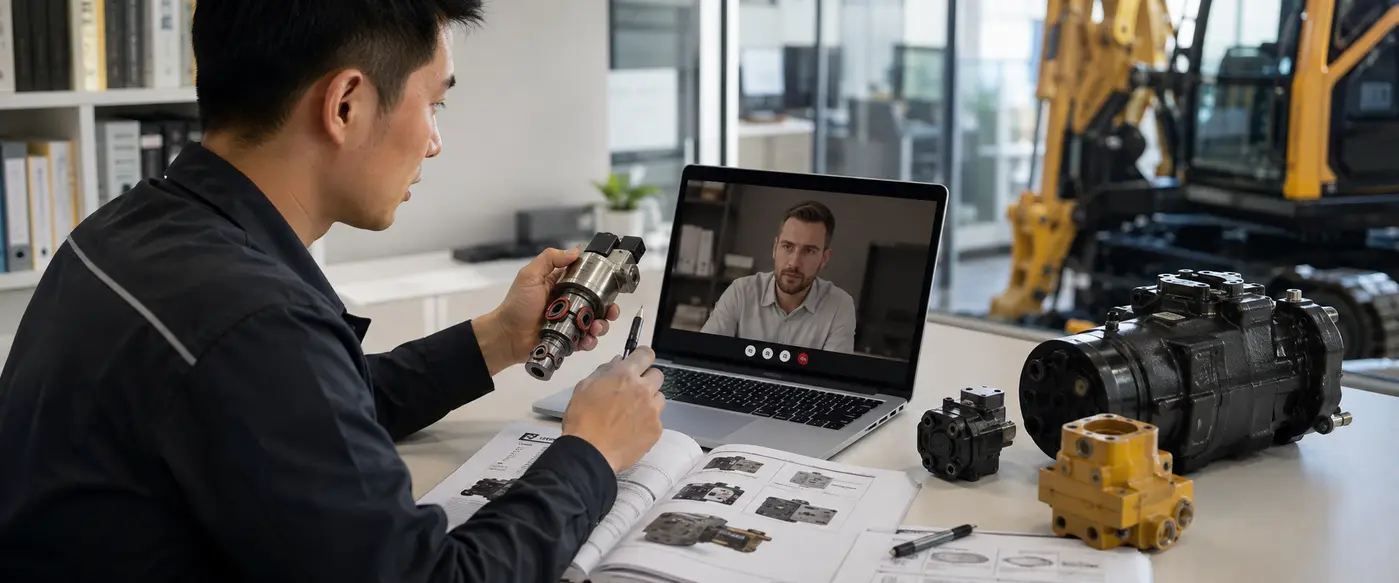
Compatibility Review
Part numbers, machine information and customer reference photos are reviewed before supply confirmation.

Warehouse Checking
Product identity, visible condition, quantity and order notes are checked during warehouse preparation.
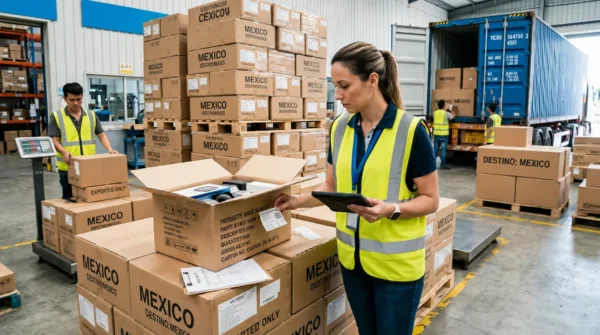
Dispatch Inspection
Export packing, labels and shipment readiness are reviewed before the goods leave the facility.
What We Check Before Shipment
The exact checks depend on the product type and the information available, but the following areas form our standard review framework.
| Inspection Area | What We Check | Buyer Benefit |
|---|---|---|
| Identification | Part number, visible label and product type | Reduces incorrect-part risk |
| Compatibility | Machine model, serial information and configuration details | Improves matching accuracy |
| Physical Condition | Surface, connectors, threads, sealing areas and visible defects | Helps avoid damaged or unsuitable goods |
| Quantity | Confirmed order quantity and package quantity | Reduces shipment discrepancies |
| Packaging | Protection, sealing, reinforced carton or wooden-case condition | Reduces international transport damage |
| Shipping Marks | Buyer details, carton labels and order references | Makes receiving and identification easier |
Photo and Video Confirmation Before Dispatch
When required, we can provide photos or videos showing product appearance, visible part numbers, quantity and packing condition before the shipment is released.
Protection Built for International Shipping
Quality control continues through the packing stage. The packing method is selected according to product size, weight, surface sensitivity and transport requirements.
- Individual product protection where needed
- Moisture and rust prevention for applicable components
- Reinforced cartons or wooden-case options
- Clear package identification and shipping marks
- Final packing-condition review before dispatch
Support That Continues After Delivery
If a confirmed order requires review after delivery, our team uses the order record, labels, product photos and application information to understand the issue and determine a reasonable next step.
Questions Buyers Ask Before Ordering
How do you confirm excavator part compatibility?
We review the available part number, machine or engine model, serial information, product photos and key dimensions or connector details when required. More complete information improves verification accuracy.
What information should I provide before ordering?
Please provide the part number, excavator brand and model, machine serial number when available, required quantity, destination country and clear photos of the original part or machine nameplate.
Can you provide inspection photos or videos?
Yes. When requested and applicable, photos or videos can be provided before dispatch to show the product appearance, visible part number, quantity and packing condition.
How are excavator parts packed for international shipping?
Packing depends on product weight, size and sensitivity. We may use protective wrapping, reinforced cartons, pallets or wooden cases together with clear shipping identification.
What should I do if I receive an incorrect or damaged part?
Contact us promptly with your order reference, clear product and label photos, package photos and a description of the issue. We will review the evidence and propose a reasonable solution based on the verified circumstances.
Confirm the Right Excavator Part Before You Order
Send us the part number, machine model, serial number, required quantity and clear photos. Our team will cross-check the available details and help confirm the next sourcing step before quotation.
PACKING CONTROL BY COMPONENT
What changes when different excavator parts are prepared for export
Ports, sealing faces and shafts are protected; exposed metal and movement inside the case are controlled.
Connectors, pins and housings are checked, then individually protected and separated from impact.
Part-number labels, grouped quantities and carton lists help reduce picking and unpacking errors.
Weight distribution, reinforcement, strapping and forklift handling points are reviewed before dispatch.