
WHOLESALE EXCAVATOR PARTS
Wholesale excavator-parts orders often combine several brands, systems, conditions and delivery priorities. A reliable quotation process keeps every part number separate, records acceptable alternatives and confirms quantity, packing and shipping requirements before the order is approved.
Combine CAT, Komatsu, Hitachi, Volvo, Hyundai, Kobelco, Develon, SANY, XCMG and other references in one RFQ.
Each reference is reviewed against the supplied part number, machine data and evidence.
Confirmed items can be organized into one order and export packing plan.
Availability, MOQ, lead time, warranty and shipping are confirmed for each quotation.
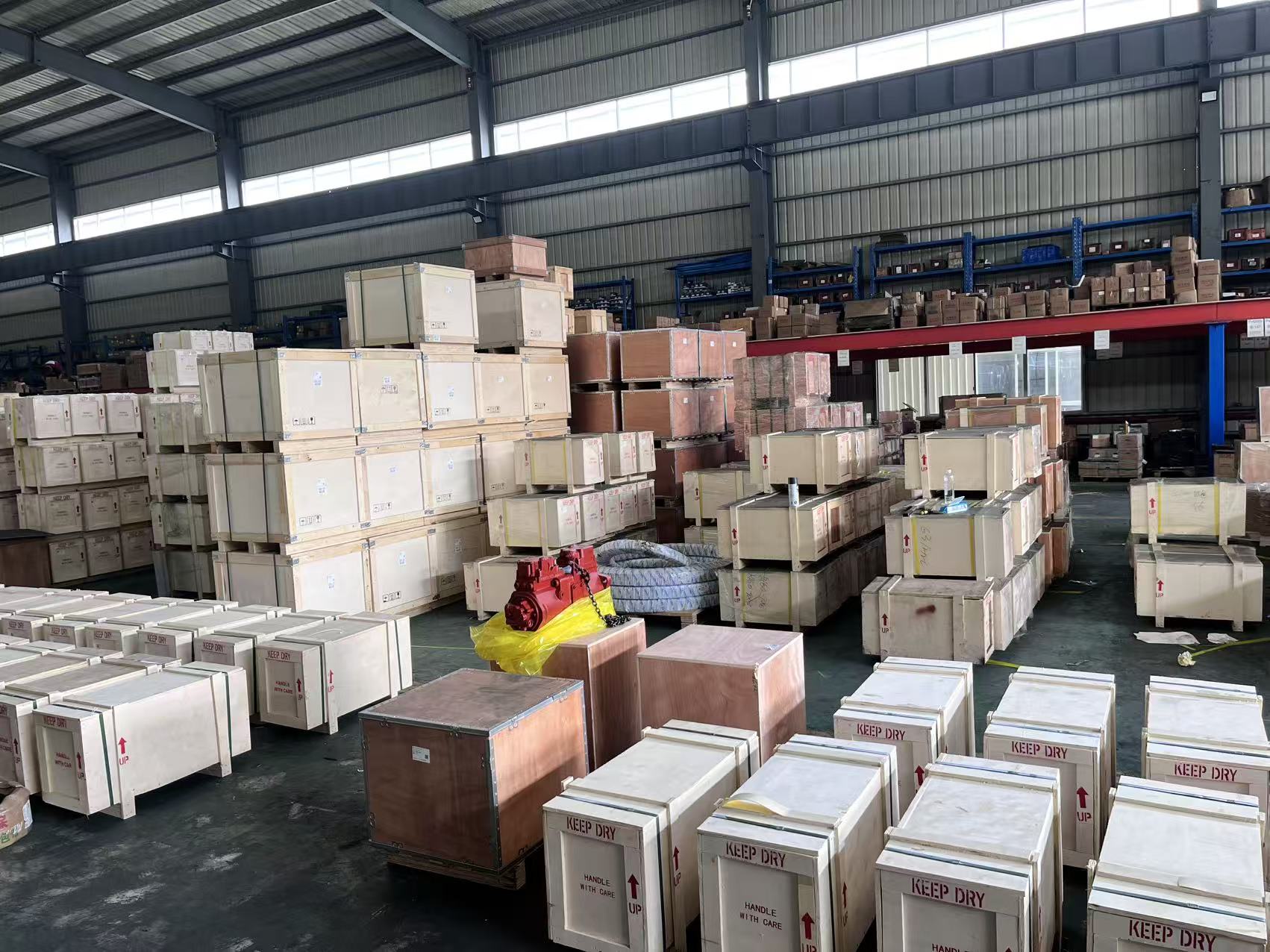
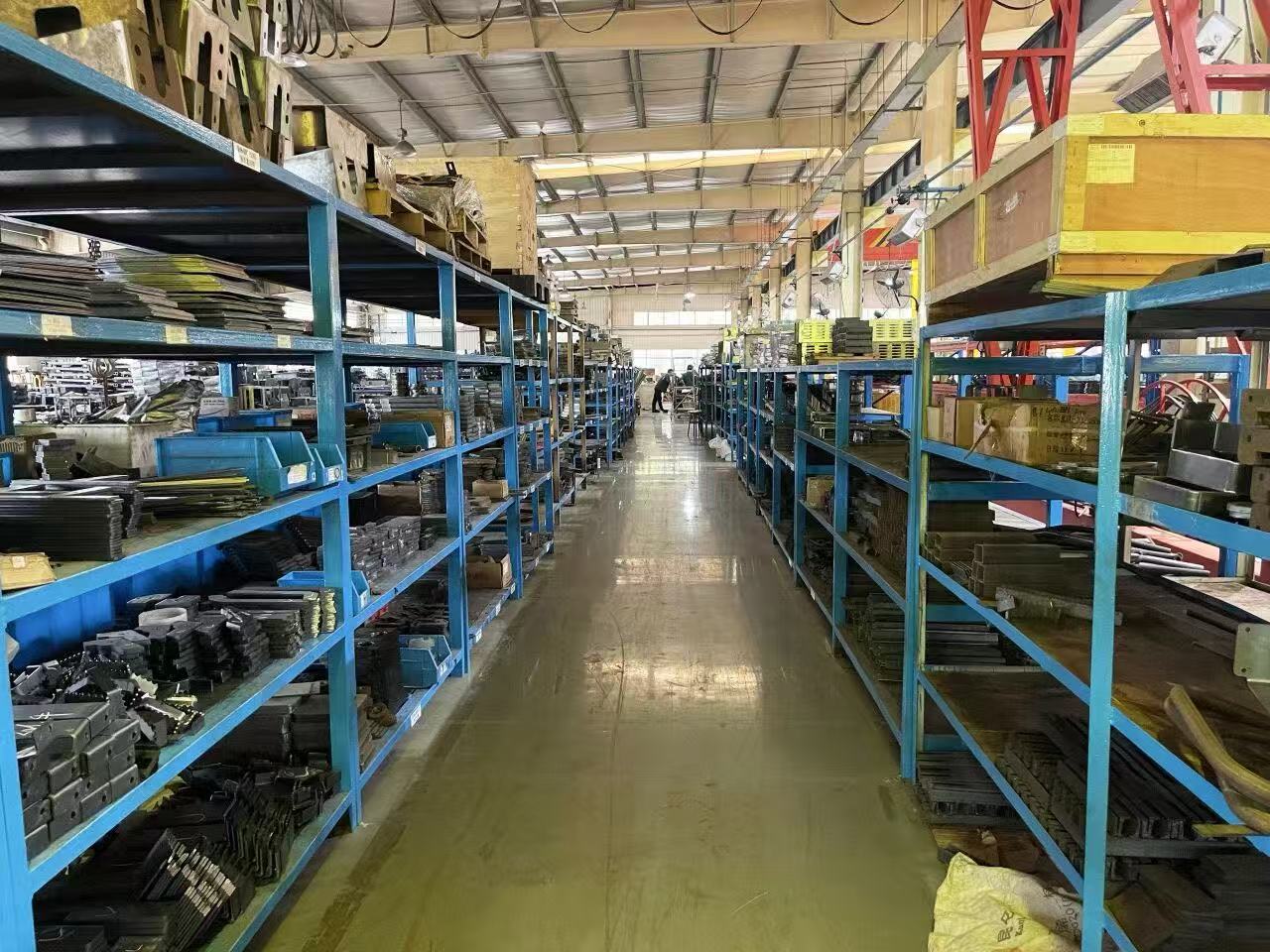
Wholesale excavator parts inventory and packing
Who uses wholesale excavator parts sourcing?
- Parts distributors building regular or project inventory
- Repair workshops sourcing several systems for active machines
- Rental fleets planning maintenance and downtime-critical stock
- Construction and mining contractors preparing project spares
- Equipment traders consolidating mixed-brand replacement parts
How to prepare a wholesale RFQ
- Use one row per reference. Include the complete part number, description and quantity.
- Add machine data. State brand, model, serial number and engine model where relevant.
- Define acceptable supply. Identify required brand, condition and whether alternatives are allowed.
- Attach evidence. Add labels and interface photos for difficult or high-value components.
- State commercial requirements. Include destination country, target delivery period and preferred trade term.
How mixed-brand orders are reviewed
Each line should be classified as confirmed, alternative offered, pending additional evidence or unavailable. This prevents one unresolved reference from being hidden inside a large quotation. When an alternative is proposed, the supplier should state why it may replace the requested reference and what still needs to be checked.
Quotation fields distributors should compare
- Requested and offered part number
- Product name, system and component scope
- Brand and stated condition
- Unit quantity and available quantity
- Lead time and quotation validity
- Packing, trade term and shipping scope
- Warranty or claim terms confirmed for the item or order
Packing a consolidated wholesale order
Small seals and sensors, fragile monitors, hydraulic components and heavy drivetrain parts should not be packed as one undifferentiated group. A consolidated order needs clear line-item labels, quantity checks, moisture and surface protection where required, internal separation and export-suitable outer packing.
Evidence to retain
- Approved quotation and final packing list
- Product and label photos for verified items
- Quantity and package-count records
- Packing photos and shipping marks
- Written documentation of any approved alternatives
Request a wholesale excavator-parts quotation
Send your spreadsheet or line-by-line list with part numbers, quantities, machine references and destination. Sofia will coordinate the review and return order-specific availability and quotation details.
Review mixed-brand order support Prepare a bulk RFQ Review the packing guide Request a quotation
Wholesale excavator parts FAQ
Is there one MOQ for every part?
No. MOQ and availability depend on the product, reference and supply condition. They are confirmed line by line.
Can new and used parts be combined?
Yes when the acceptable condition is stated for every reference and each line is reviewed separately.
Can several brands ship together?
Yes. Confirmed items can be consolidated, subject to product compatibility, packing, shipping and destination requirements.
Wholesale stock planning for distributors
Separate routine service parts, wear parts, repair items and downtime-critical components. Routine filters and seals can be planned by service interval, while motors, controllers, pumps and engine components should be selected from the machines and failure risks in the customer’s installed fleet.
Use past sales, active machine models and lead time to set reorder priorities. Do not increase stock simply because a reference appears common online; confirm that it matches the equipment population and customer demand served by the distributor.
Maintain a reusable RFQ record
Keep approved references, machine applications, supplier evidence and previous order outcomes in one controlled list. Reconfirm references when machine serial ranges, supplied brands or component revisions change.