
EXCAVATOR PARTS FROM CHINA
To import excavator parts from China reliably, the buyer should control product identity, quotation scope, inspection evidence, packing and shipping information from the first RFQ. A low unit price cannot compensate for an unverified part number or unclear condition.
Use one line per reference with machine data, quantity and acceptable condition.
Check the operating company, contact details, product scope and documented processes.
Compare part numbers, labels, photos and important interfaces before approval.
Agree packing, trade terms, shipping documents and claims evidence for the order.
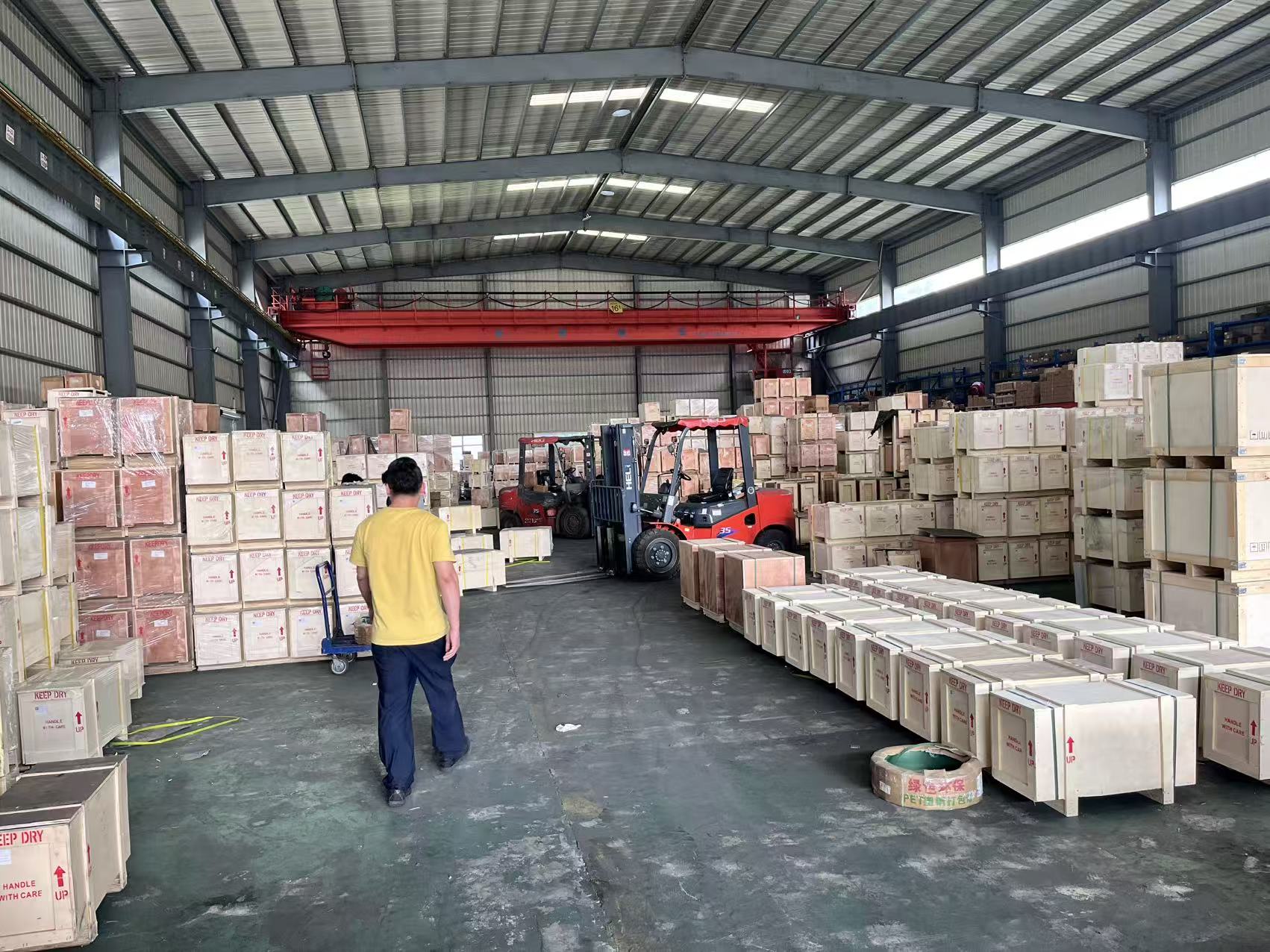
Excavator parts export packing in China
Step 1: prepare a quotation-ready parts list
Create a spreadsheet or message with the complete part number, product name, machine brand and model, serial number, engine model, quantity and destination country. Add photos of labels and physical interfaces for difficult or high-value items.
Do not leave these fields unclear
- replacement, aftermarket, genuine, used or other acceptable condition
- Complete assembly versus individual component or repair kit
- Required brand or acceptable alternatives
- Quantity for each line and whether partial supply is acceptable
- Destination, delivery urgency and preferred trade term
Step 2: verify the China excavator parts supplier
Review the public company identity, operating history, business contact details, product coverage, matching method, inspection process, packing capability and order-specific commercial terms. Ask for evidence that relates to your enquiry rather than relying only on broad marketing statements.
Useful supplier evidence
- Consistent company name and contact information across website and quotation
- Clear explanation of part-number and machine-data verification
- Actual photos or labels for the available item when condition or identity matters
- Written quotation showing brand, condition, quantity, included scope and validity
- Documented inspection, packing, shipping and claims procedures
Step 3: review the quotation line by line
Do not compare only the final total. Confirm that competing quotations cover the same reference, brand, condition, component scope, quantity, trade term and delivery method. Separate confirmed items from alternatives that still need evidence.
Step 4: inspection and packing
Inspection depth should reflect the product and order risk. Useful records can include label photos, visible-condition photos, quantity checks, packing photos and dimensions or weight for shipping preparation. Heavy, fragile, oily and electronic parts may require different protection.
Step 5: trade terms and shipping
TOP Excavator Parts can review EXW, FOB, CIF, DAP and DDP requirements on an order-specific basis. The quotation should state what is included, which documents are supplied and which destination charges remain outside the quoted scope. Import rules and taxes must be confirmed for the buyer’s destination.
Before releasing the shipment
- Check the final packing list against the approved quotation
- Confirm package count, gross weight and dimensions
- Review shipping marks and consignee information
- Keep product, label, inspection and packing evidence with the order record
Send an excavator-parts RFQ to China
TOP Excavator Parts was established in 2010 and is owned and operated by Guangzhou Zhenghong Construction Machinery Parts Co., Ltd. Send your line-by-line list to Sofia for part-number review and order-specific quotation.
Verify our company information Review quality-control steps Read the shipping policy Contact Sofia
Importing excavator parts from China FAQ
What information should I send first?
Send complete part numbers, machine data, quantities, destination country and clear photos for any item that needs additional identification.
Which trade terms are available?
EXW, FOB, CIF, DAP and DDP requirements can be reviewed for the specific order and destination. The quotation defines the included scope.
How can I reduce wrong-part risk?
Use complete references, machine serial data and actual interface photos, and document unresolved differences before approving the line item.
Step 6: prepare destination compliance
Before shipment, the buyer or appointed broker should confirm destination import rules, tariff classification, taxes, restricted materials and required consignee documents. Requirements can differ by product type and country, and the supplier should not be expected to replace local customs advice.
Keep the commercial invoice, packing list, transport document and supporting product evidence consistent. If DAP or DDP is requested, confirm in writing which destination fees, taxes, unloading or local services are included and which remain the buyer’s responsibility.